

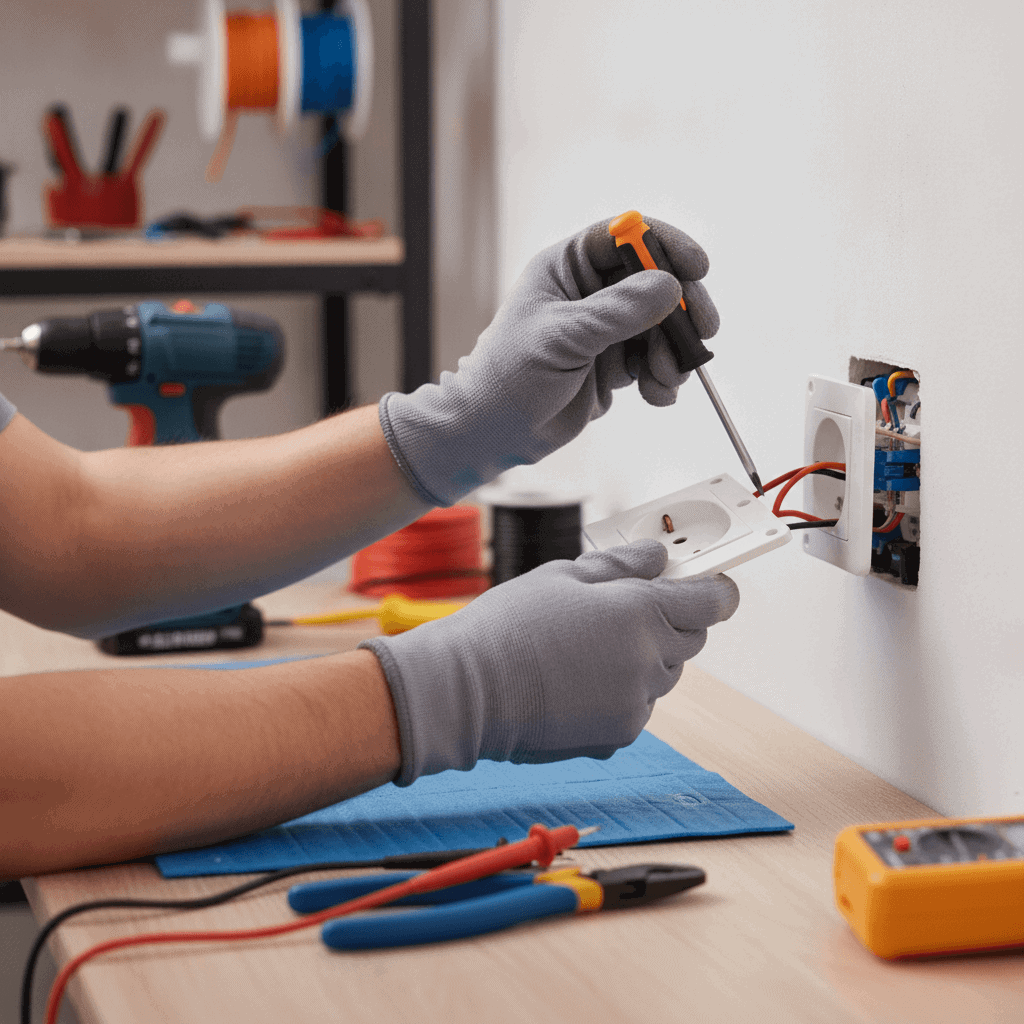
Our homes are filled with electrical outlets. We often take them for granted but these small devices power our entire lives. From charging our phones to running large appliances, outlets work hard every day. We depend on them constantly. This means general electrical outlets maintenance is an important part of home safety. It protects our families and property.
Many homeowners do not think about their electrical outlets until a problem arises. Waiting for an issue can be dangerous. Faulty outlets can cause fires, electrical shocks, and damage to electronics. Regular checks can prevent these serious problems. I know from experience that a little preventative care goes a long way.
This article will guide you through simple maintenance steps. We will cover common issues and when to seek professional help. My goal is to equip you with the knowledge to keep your electrical system safe and functioning properly. Let’s make sure your home’s power points are always in top condition.
Why General Electrical Outlets Maintenance Matters for Your Home
Maintaining your electrical outlets is more than just a chore. It is a critical aspect of home safety. Every outlet is a gateway to your home’s electrical system. Problems with an outlet can quickly spread, affecting other parts of your wiring. This creates hidden dangers you might not even notice.
Poorly maintained outlets can lead to serious hazards. They can cause electrical fires. This is a very real risk for any home. They can also deliver dangerous electrical shocks. Children and pets are especially at risk. Many people do not realize how much strain outlets undergo. Everyday use takes a toll on these devices.
I always tell people to think of outlets like any other appliance. They need care to function correctly. A small problem today can become a big emergency tomorrow. Keeping them in good shape extends their life. It helps your electrical system run smoothly and efficiently. This saves money on repairs in the long run.
Spotting Common Outlet Problems
You should always be on the lookout for signs of trouble. Common outlet problems often give clear warnings. Loose connections are one of the most frequent issues. When a plug fits too loosely, it can create arcing. This generates heat and poses a fire risk.
Listen for buzzing sounds coming from an outlet. This indicates a problem with the internal wiring or the connection. Look for scorch marks or discoloration around the outlet face. These are clear signs of overheating. They mean heat is building up. This needs immediate attention. If an outlet feels warm to the touch, it is a significant red flag. That outlet is likely overloaded or has a faulty connection.
Essential Tools and Safety Gear for Outlet Checks
Before you begin any electrical outlet maintenance, gather your tools. Safety is my top priority. Always ensure you have the right equipment. This protects you from potential electrical hazards. You do not need many specialized tools for basic checks. Most items are readily available.
Having these items on hand makes routine inspections easy. It helps you address minor issues safely. Remember to keep all tools in good condition. Replace any worn or damaged items right away. This ensures they work as intended every time you use them.
Personal Protective Equipment
Always wear personal protective equipment. Insulated gloves are a must. They protect your hands from electrical current. Safety glasses shield your eyes from any sparks or debris. I also recommend using insulated tools. Screwdrivers with rubber or plastic handles offer an extra layer of protection.
A non-contact voltage tester is another crucial safety device. It allows you to check for live electrical current without touching the wiring. This simple tool can prevent a serious shock. I never approach an outlet without first checking it with my voltage tester. This practice keeps me safe.
- Insulated gloves
- Safety glasses
- Non-contact voltage tester
- Insulated screwdrivers (flathead and Phillips)
- Small flashlight
Step-by-Step Guide to Routine Outlet Inspection
Regular inspection is the cornerstone of good general electrical outlets maintenance. I suggest you perform a quick visual check monthly. A more thorough inspection should happen at least twice a year. This systematic approach helps catch problems early. It prevents them from escalating into bigger, more costly issues.
Start by unplugging anything connected to the outlet. This ensures no power is being drawn. Then, you can safely examine the outlet itself. This simple step is often overlooked but it is important. It reduces the risk of accidental contact with live components.
I usually pick a weekend morning for these checks. It is quiet and I can focus. Going room by room makes the process organized. Remember to trust your instincts. If something looks or feels wrong, it probably is.
Visual Inspection Checklist
Begin your inspection with a careful visual check. Look for any visible damage to the outlet itself. Cracked or broken outlet covers need replacement. This prevents access to live wires. Check if the outlet is discolored, especially around the plug openings. Yellowing or brown marks suggest overheating.
Next, test the plug fit. Insert a known good plug into each receptacle. The plug should fit snugly. If it wobbles or easily pulls out, the internal contacts are likely worn. This creates a loose connection which is a fire hazard. Also, make sure the outlet is securely fastened to the wall. A loose outlet can cause wires to move. This creates dangerous connections. Tighten any loose mounting screws carefully. But do not overtighten them.
Simple Functionality Tests
After the visual check, it is time for functionality tests. First, use your non-contact voltage tester. Touch the tip of the tester to the slots of the outlet. The tester will light up or beep if power is present. This confirms the outlet is live.
For GFCI and AFCI outlets, press the “Test” button. A working GFCI or AFCI outlet should trip immediately. This cuts off power to the outlet. Then press the “Reset” button to restore power. If the outlet does not trip or reset properly, it is faulty. It needs to be replaced. I make sure to test these critical outlets every month. They protect against serious electrical faults.
Understanding Different Outlet Types and Their Maintenance Needs
Not all electrical outlets are the same. Different types serve different purposes and have unique maintenance requirements. Understanding these differences helps you protect your home more effectively. Knowing your outlets means you can spot issues specific to each kind.
Standard two-prong and three-prong outlets are common throughout our homes. These outlets provide basic power. They do not offer advanced protection against electrical faults. Their maintenance mostly involves ensuring a tight fit for plugs and checking for physical damage. I regularly check these for loose connections or wear.
However, other outlets offer much more protection. They are found in specific areas of the house. These specialized outlets are designed to prevent certain electrical hazards. Knowing where they are and how they work is a key part of general electrical outlets maintenance. They are crucial safety devices.
GFCI Outlets for Wet Areas
Ground Fault Circuit Interrupter, or GFCI, outlets are essential in areas near water. You will find them in bathrooms, kitchens, laundry rooms, and outdoors. These outlets protect against ground faults. A ground fault happens when electricity takes an unintended path to the ground. This often occurs when water is present. GFCIs quickly cut power to prevent severe electrical shock.
Testing GFCI outlets is straightforward and important. Every GFCI outlet has “Test” and “Reset” buttons. You simply push the “Test” button. The power to the outlet should immediately shut off. Then you push “Reset” to restore the power. If the GFCI does not trip when tested, it is not providing protection. It must be replaced quickly to maintain safety in wet environments. I recommend testing all GFCI outlets monthly.
AFCI Outlets for Fire Prevention
Arc Fault Circuit Interrupter, or AFCI, outlets guard against electrical fires. They are typically installed in bedrooms and living areas. AFCI outlets detect dangerous electrical arcs. These arcs are often caused by damaged wires or faulty connections. Such arcs can generate intense heat. They can ignite surrounding materials and cause fires. AFCIs distinguish between harmless arcs and dangerous ones. They shut off power when dangerous arcs are detected. This prevents fires from starting.
Like GFCIs, AFCI outlets also have “Test” and “Reset” buttons. You should test them regularly following the same procedure as GFCIs. Pressing the “Test” button should trip the circuit. Then press “Reset” to restore power. If an AFCI repeatedly trips without an obvious cause, it indicates an underlying wiring problem. You should contact a qualified electrician to inspect the circuit. Do not ignore tripping AFCI outlets. They are trying to tell you something is wrong.
When to Call a Professional Electrician
While general electrical outlets maintenance can involve some DIY tasks, many situations require professional help. It is vital to know your limits. Electricity is not something to take lightly. Trying to fix complex electrical problems yourself can be very dangerous. It can lead to severe injury or even death. Always prioritize safety over saving a few dollars.
I always advise people to call a licensed electrician when facing serious issues. This includes frequent breaker trips, flickering lights, or outlets that consistently feel hot. If you notice a burning smell from an outlet or wall, that is an emergency. Immediately turn off the power at your breaker box and call for help. Any electrical work that involves opening up the wall or working directly with your home’s main wiring should only be handled by an expert. They have the training, tools, and experience to do the job safely and correctly. For complex electrical needs or concerns about finding reliable help, you can look for Abacus Electricians to assist you with your home’s electrical system.
Preventing Future Electrical Outlet Issues
Preventing problems is always better than fixing them. A few simple habits can go a long way in ensuring the long-term safety and functionality of your electrical outlets. These practices protect your home and your peace of mind. I find that consistent effort makes a big difference.
One of the most common causes of outlet issues is overloading. Each outlet and circuit has a maximum amount of electricity it can safely handle. Plugging too many high-power devices into one outlet can cause it to overheat. This leads to tripped breakers or even fires. Distribute your electrical load evenly across different outlets and circuits. Avoid using extension cords as a permanent solution for power needs. They are meant for temporary use only.
Child safety is another important consideration. If you have young children, install tamper-resistant outlets or use safety caps. These prevent children from inserting objects into the outlets. This protects them from electric shock. I always recommend these simple measures for families with small kids. It adds an important layer of protection.
Finally, do not forget about regular checks. Make it a routine to inspect your outlets. A quick visual check when you are cleaning a room takes almost no time. Addressing minor wear and tear immediately prevents bigger problems from developing. This proactive approach keeps your home safer and your electrical system running smoothly for years to come.
Keeping Your Home Safe with Proper Outlet Care
General electrical outlets maintenance is a vital part of keeping any home safe and functional. We have covered why these simple devices need our attention and how minor issues can become serious hazards. From recognizing buzzing sounds to checking for scorch marks, paying attention to the details helps protect your family. Understanding the different types of outlets, like GFCIs and AFCIs, means you can target your maintenance where it matters most. These devices are key to preventing shocks and fires in specific areas of your home.
I firmly believe that regular inspections are your best defense against electrical problems. Performing routine visual checks and simple functionality tests can catch issues before they escalate. Remember to always prioritize safety by using the right tools and knowing when to call a professional. Overloading circuits and ignoring warning signs can lead to dangerous situations. So take the time to inspect your outlets. Teach your family about electrical safety. This protects everyone.
Being proactive with your electrical outlets maintenance will save you stress and money in the long run. It ensures your home remains a safe and comfortable place for everyone. Take action today to give your outlets the care they deserve. This secures the safety of your home’s electrical system.


